 blog
The Best Massage for Chronic Pain Relief
Last Updated: November 11, 2026
Quick Summary
Deep tissue massage is often the best starting point for chronic pain, using slow, sustained pressure to reach deeper muscle layers and connective tissue. It targets tension built over months or years, but the pressure is firm rather than a relaxing spa treatment. Tell your provider about recent injuries, surgery, or medical conditions beforehand.
- Deep tissue massage uses slow, sustained pressure to reach deeper muscle layers.
- Deep pressure over an acute injury or swollen area can make things worse.
- Structural Integration works on connective tissue and whole-body alignment.
- People often seek Structural Integration for chronic pain, poor posture, and joint discomfort.
- Muscularity Structural Integration builds personalized care plans focused on the root cause of discomfort.
Table of Contents
- Deep Tissue Massage for Chronic Pain
- Massage Therapy Frequency for Pain Management
- Benefits of Structural Integration for Lasting Relief
- Frequently Asked Questions
Deep Tissue Massage for Chronic Pain
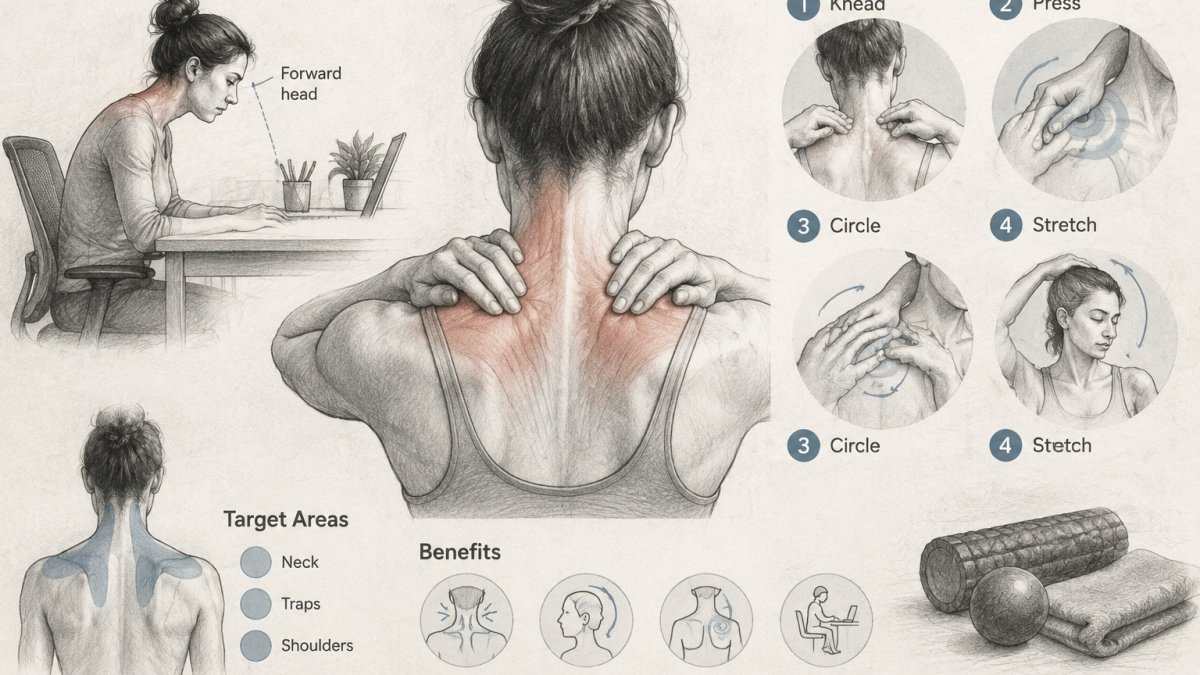
Finding the best massage for chronic pain often starts with deep tissue work. Deep tissue techniques use slow, sustained pressure to reach deeper muscle layers and connective tissue, targeting tension that builds over months or years.
Deep tissue massage is not a relaxing spa treatment, the pressure is firm.
Deep pressure over an acute injury or swollen area can make things worse, so tell your provider about recent injuries, surgery, or medical conditions beforehand.
For details on the service itself, see massage therapy.
Here are the key facts about deep tissue massage as a starting point for chronic pain relief.
Fact | Detail |
|---|---|
Technique | Slow, sustained pressure to reach deeper muscle layers |
Targets | Tension built over months or years |
Pressure level | Firm, not a relaxing spa treatment |
Caution | Deep pressure over acute injury or swelling can worsen it |
Before session | Tell provider about recent injuries, surgery, or conditions |
Massage Therapy Frequency for Pain Management
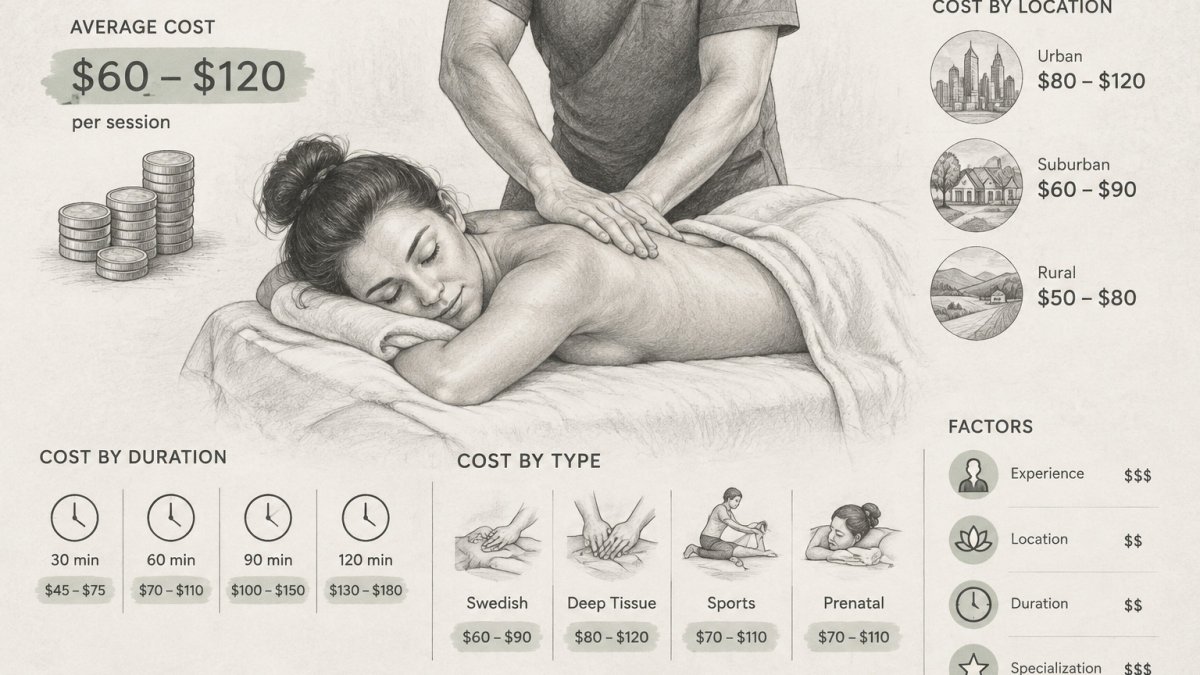
Check the pricing page before committing to a schedule, and read about the benefits of regular massage care.
Benefits of Structural Integration for Lasting Relief
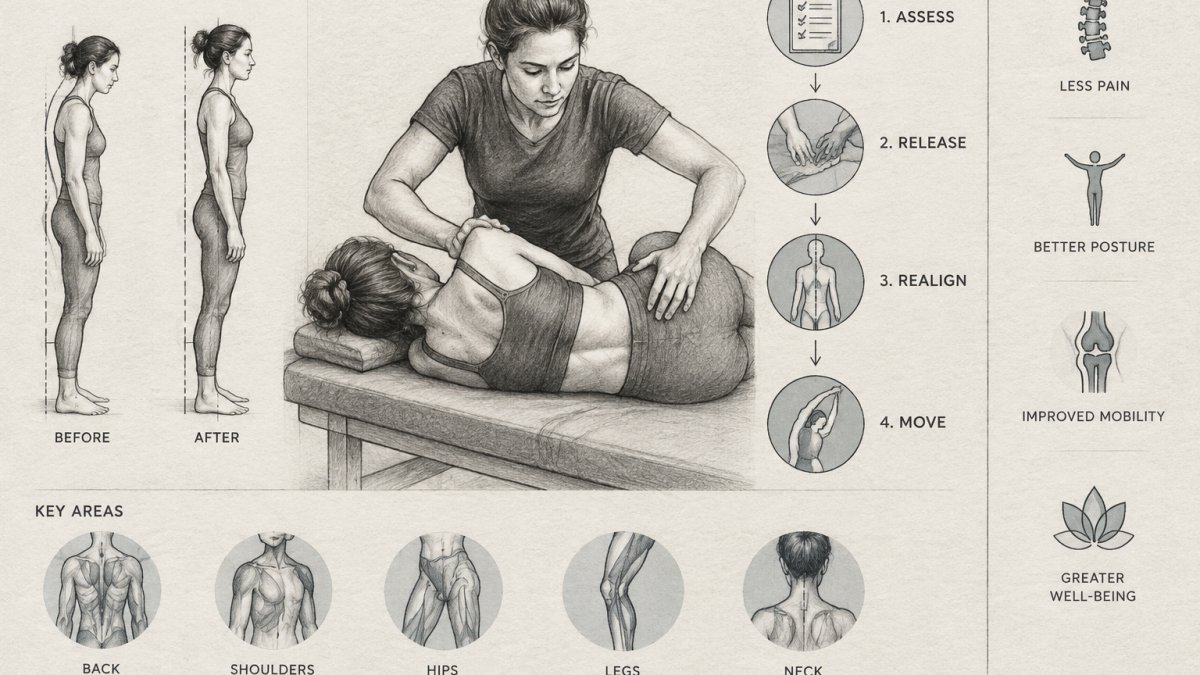
Structural Integration is a hands-on method working on connective tissue and whole-body alignment. Structural Integration works on connective tissue and whole-body alignment.
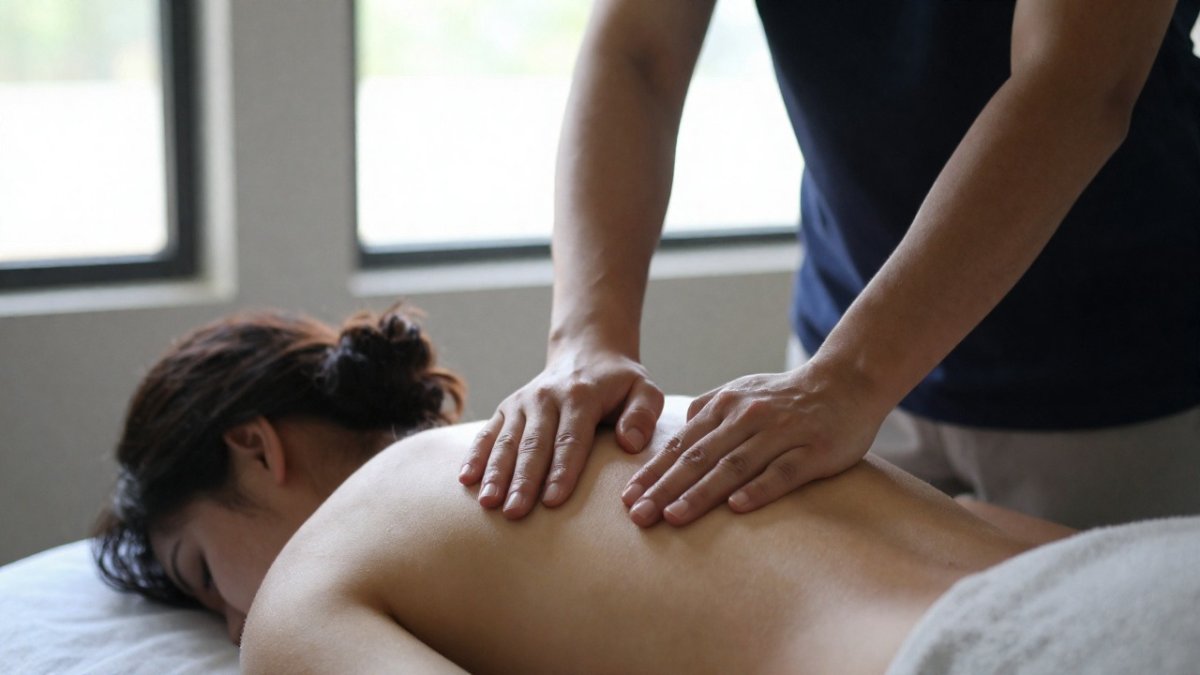
People often seek it for chronic pain, poor posture, and joint discomfort. Personalized care plans are part of this business's approach, and its work is designed to complement medical and physical therapy care.
A consultation is the best way to set realistic expectations, contact us to ask about Structural Integration.
Chronic pain rarely resolves on its own, and guessing at treatment can cost you months. At Muscularity Structural Integration, we build personalized care plans focused on the root cause of discomfort, combining specialized Structural Integration training with whole-chain work alongside your medical and physical therapy team. Contact us to learn how we can help you move with greater ease.
Frequently Asked Questions
What type of massage is most effective for treating chronic pain?
There is no single best massage for chronic pain. Deep tissue and trigger point work suit localized muscle tension, Swedish massage helps when gentler pressure is needed, and structural integration addresses whole-body patterns that contribute to persistent pain. The right choice depends on your pain pattern, pressure tolerance, and goals. A qualified therapist can assess your needs and recommend an approach, often combining techniques across sessions.
How often should you get a massage for chronic pain management?
Frequency varies with the condition and your response to treatment. Many people start with weekly sessions for several weeks to build momentum, then space visits further apart as symptoms ease. Your therapist can adjust the schedule based on how your body responds. Consistency matters more than a single long session, so plan a rhythm you can realistically keep.
How does structural integration differ from standard massage therapy?
Standard massage often focuses on relaxing specific tight muscles, while structural integration works on connective tissue and whole-body alignment to change how you move. The goal is to address root causes of tension rather than only temporary relief. Ask your provider how their training and plan fit your situation.